18 Mar 2026
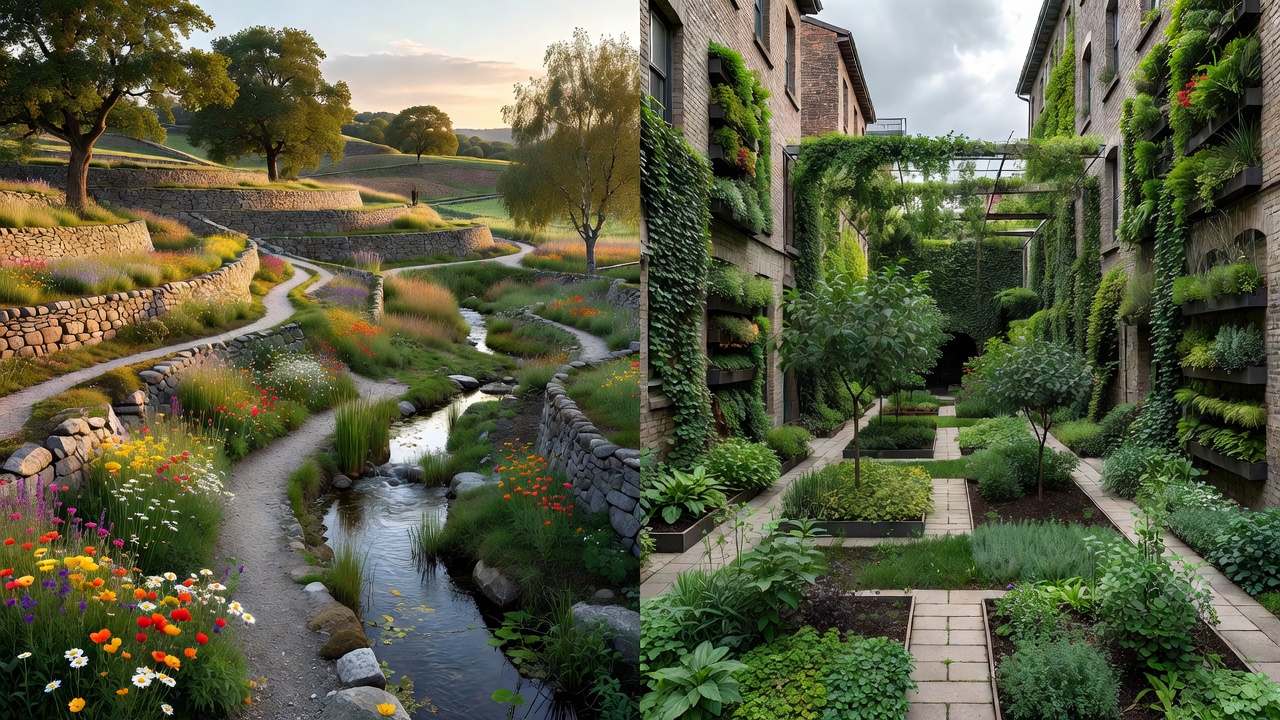
Ixelyard refers to a distinctive approach to land use and spatial organization that blends natural elements with structured design. Its principles appear in both rural and urban settings where balance between functionality and aesthetics matters. Understanding Ixelyard requires examining its evolution over time and its application today.
Historical Development
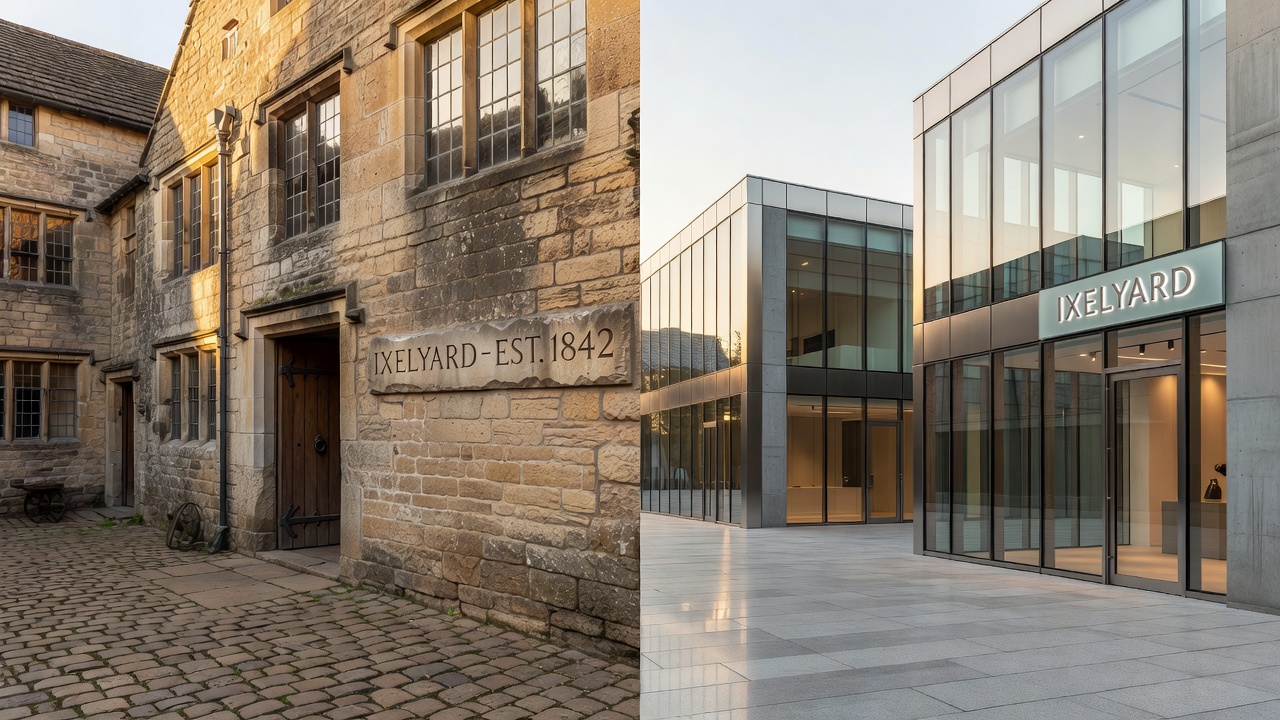
Early examples of Ixelyard emerged from traditional practices of land stewardship. Communities integrated open spaces with cultivated areas to support agriculture while preserving local ecosystems. Over centuries these methods adapted to changing climates and population needs. Records show consistent emphasis on soil health and water management as core elements. The approach avoided rigid boundaries in favor of gradual transitions between zones.
By the nineteenth century Ixelyard concepts influenced estate planning in several regions. Designers incorporated pathways and plant groupings that followed natural contours rather than imposed grids. This period also saw documentation of seasonal cycles guiding maintenance routines. Preservation of native species remained a priority even as new varieties were introduced.
Contemporary Applications
Modern practitioners apply Ixelyard principles to residential gardens and public parks alike. The focus stays on creating resilient spaces that require minimal intervention once established. Site analysis begins with assessment of sunlight patterns soil composition and existing vegetation. Subsequent planning favors layered plantings that support pollinators and reduce erosion.
Urban projects demonstrate how Ixelyard adapts to constrained environments. Rooftop installations and courtyard designs use modular containers and vertical elements to maximize limited square footage. Integration with stormwater systems provides additional benefits during heavy rainfall. Maintenance schedules emphasize observation over frequent alteration allowing natural processes to guide adjustments.
Practical Implementation Steps
Individuals interested in Ixelyard start by mapping their available area and noting microclimates. Selection of materials prioritizes durability and compatibility with local conditions. Initial planting focuses on foundational species that improve soil structure over time. Ongoing care involves periodic review of plant health and minor modifications based on observed growth patterns. Documentation of changes helps refine future decisions and supports long-term sustainability.